




What if one inaccurate temperature reading could cost your business far more than a calibration?
Discover how temperature calibration in Dubai prevents product loss, supports regulatory compliance, reduces audit risks, and keeps your equipment accurate, traceable and audit ready with Scalesius.
hat if the temperature your equipment displays isn't the temperature actually present in the environment? By the time a business figures out that their equipment is displaying an inaccurate reading, the damage to the products might already be done.
A simple audit trail can uncover non-compliance that has existed for months within your facility. Likewise, a batch of pharma products could lose its efficacy, or a food shipment could spoil in transit. This is why temperature calibration in Dubai is a business essential activity rather than a simple maintenance function. It helps ensure quality and efficiency that build customer trust.
25 to 35% of the temperature-sensitive pharmaceutical shipments experience at least one temperature excursion during transit. This makes it essential to have accurate temperature monitoring calibration practices to protect the integrity of the product (Source: Aoxya Limited).
For industries that are temperature sensitive, the consequences might be severe. A pharmaceutical distributor in the UAE faces regulatory actions like a warning, license conditions, or even suspension if it fails a MOHAP GDP inspection. Beyond that, it also leads to the loss of valuable distribution agreements. Hence, a failed GDP audit creates regulatory penalties that form commercial setbacks.
Instead of just checking whether an instrument works, Scalesius aims to ensure that every measurement recorded is accurate and traceable. We understand that your equipment plays a critical role in your business, especially during audits and inspections. That’s why we make sure they are fully compliant, properly calibrated and always audit ready to meet required standards.
The Biggest Misconceptions About Temperature Sensor Calibration
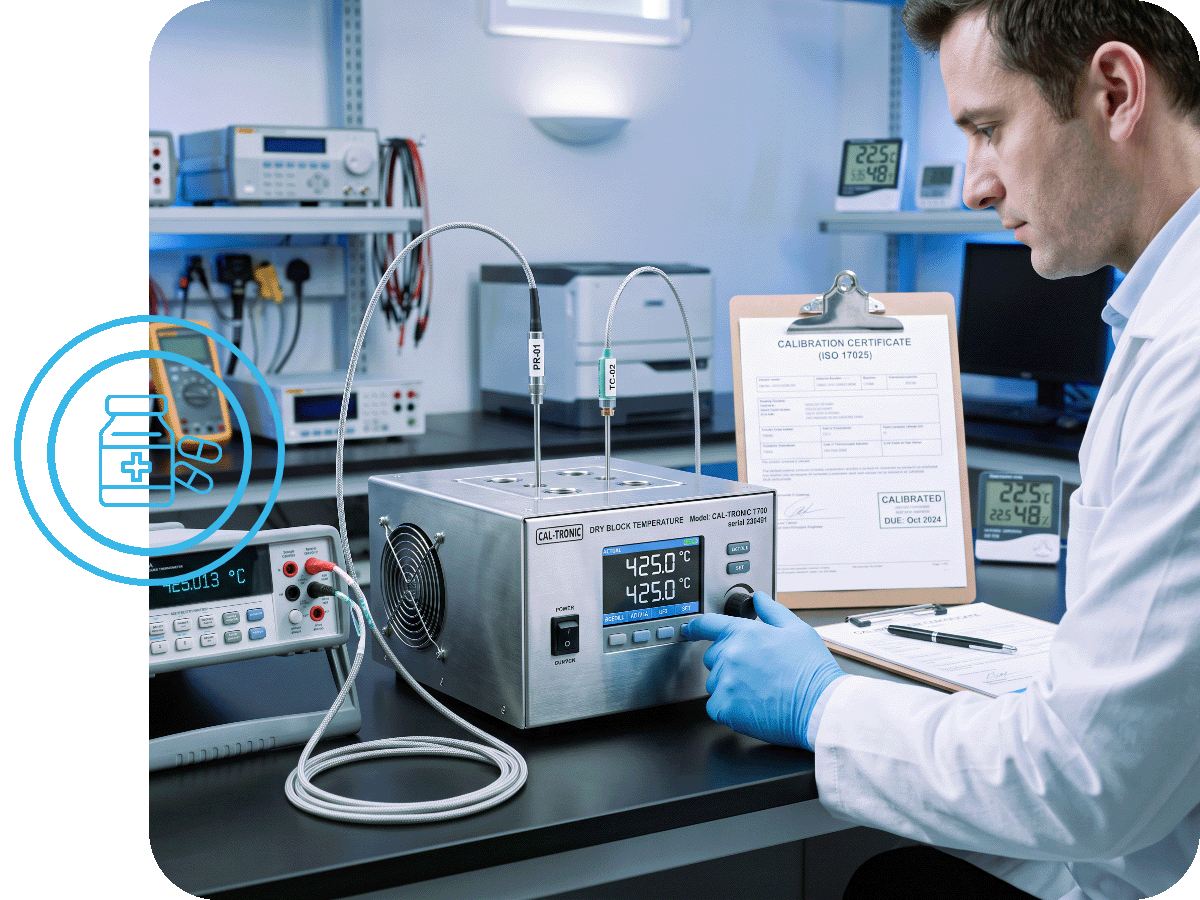
One of the most common decisions made within facilities is to postpone a calibration because the equipment is working perfectly. This kind of decision often stems from misconceptions rather than facts.
Some of the biggest myths that businesses still believe are:-
- If the temperature reading looks normal, the sensor must be accurate.
- Skipping a scheduled calibration won't make much of a difference for the facility.
- A calibration service can wait until the next inspection or audit period.
- Only faulty or aging instruments have to be calibrated.
- The cost of calibration is higher than the risk of postponing it.
A missed calibration might not cause a failure overnight. It silently increases the chances of a sensor drift. This is where measurement readings go beyond the set standards but without setting off any alerts or warnings. Likewise, the firm may be operating with faulty merchandise or failing quality control before any detection is made.
The temperature sensor calibration serves to ascertain that the readings provided are still reliable. The aim here is not to determine whether the device in question works well or not. We make it a priority to compare the equipments to a reference standard in the UAE. We issue a calibration certificate that provides proof of how accurate and traceable your instrument is.
In most operations regarding pharma products, calibration certificates remain valid for at least 12 months. Recalibration is essential for certain hospitals and regulatory environments every 6 months. This is assessed based on the operational requirements and equipment risk (Source: Al Sahara Refrigerated Transport).
One skipped calibration might seem insignificant within the whole picture. But the reality is that it might become the reason that a product is rejected or audit data reveals months of inaccurate data.
Don't wait for an audit or equipment failure to reveal inaccurate readings.
Speak with the Scalesius team at +971 4272 1561 or write to
hello@scalesius.com to keep your instruments compliant, accurate, and audit-ready.
How Scalesius Protects Every Stage of Your Equipment's Accuracy Lifecycle
Calibration does not end the moment you receive an accuracy report.
Every instrument used for calibration has an accuracy cycle. The frequency of use, environmental changes, vibration and natural component aging are some of the factors that affect performance. So, how do you understand if your device is still providing accurate measurements even after six months of use? This is where a proactive calibration strategy makes all the difference.
Scalesius protects every stage of an equipment's lifecycle by maintaining measurement reliability.
We perform a baseline verification before the equipment is commissioned or returned to service.
Further on, a calibration testing service is scheduled to detect if there are any sensor drifts.
A precise instrumentation calibration is performed in an accredited calibration laboratory, followed by maintaining calibration standards of the UAE in reference.
Audits and quality reviews are further simplified by the documented calibration of ISO reports.
The data logger calibration process our team uses is very accurate for your monitoring system.
The hot or cold spots can be located through temperature mapping within a controlled environment, which is done by positioning the sensors in the appropriate areas.
Finally, we make sure to give you all the documentation you need to prove that your facility is GDP compliant and GMP compliant.
A pharmaceutical warehouse may display temperatures between 2°C and 8°C, appearing compliant, while the sensor has slightly drifted. Your team needs to understand that the product quality has been affected before any major problems occur.
Electronic data loggers are required to record temperatures at an interval of 5 minutes or less. This applies to almost all GDP compliant pharmaceutical operations. On the other hand, some specific UAE hospital pharmacies need readings every 2 minutes to maintain continuous monitoring and protect their patients. (Source: Al Sahara Refrigerated Transport).
This is why calibration is much more than passing an inspection. It includes creating historical records and speeding up any root cause analysis. This process assists the quality teams in making decisions based on precise information recorded. In the pharmaceutical cold chain, all temperature readings play a significant role throughout the process, from storage to final delivery of the products.
More importantly, Scalesius does not only assist in keeping confidence . We support your facility in maintaining dependable historical data for securing your pharmaceutical cold chain via measurement records. Scalesius ensures audit-readiness by calibrating equipment you can be confident in using every day.
Why Timely Monitoring of Temperature Is an Investment, Not an Expense
To sum up, calibration should not be considered just another maintenance expense. The real cost of missing a calibration appointment is everything that follows after it. It can be a delayed shipment, a failed audit or a compromised batch. A single inaccurate reading can mark the beginning of lost customers confidence.
This is why Scalesius believes calibration isn't a routine checklist. Every calibration process performed by Scalesius is a part of a long-term quality strategy. We have the technical expertise with traceable standards and documentation to help your business stay prepared for regulatory inspections and customer audits.
Businesses that invest in preventive calibration are basically protecting the decisions that they make every day. Industry analysis suggests that the temperature sensitive products can lead to losses of 20 to 30% with losses often three to four times higher than the cost of preventive protection (Source: Usky Cargo).
Investing in temperature calibration in Dubai is definitely an investment in operational confidence and business continuity. With Scalesius as your calibration partner in Dubai, you're protecting the accuracy that your business is built on by maintaining instrument accuracy.
Don't wait for an audit or equipment failure to reveal inaccurate readings.
Speak with the Scalesius team at +971 4272 1561 or write to
hello@scalesius.com to keep your instruments compliant, accurate, and audit-ready.