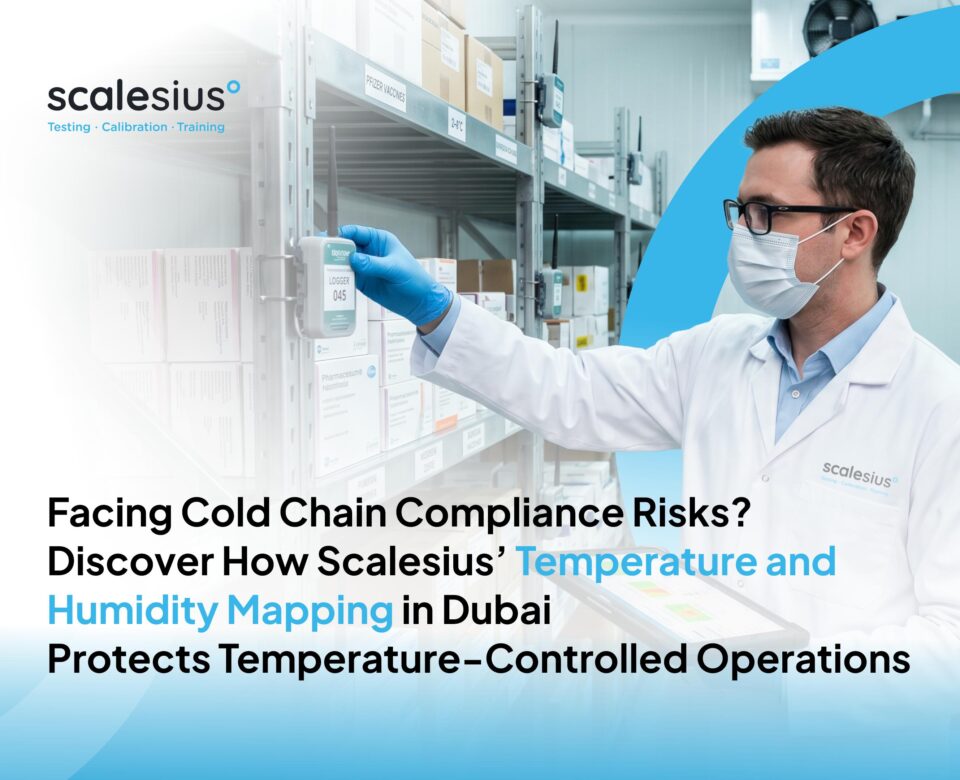


Facing Cold Chain Compliance Risks?Discover How Scalesius’ Temperature and Humidity Mapping in Dubai Protects Temperature-Controlled Operations
May 29, 2026
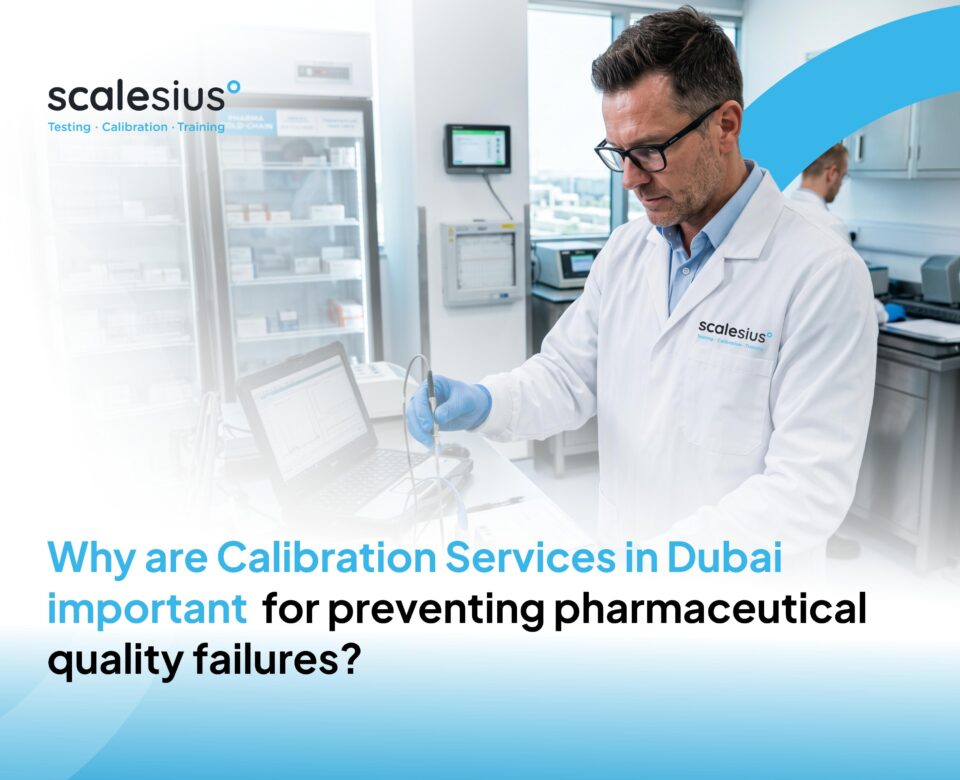
Why are Calibration Services in Dubai important for preventing pharmaceutical quality failures?
June 10, 2026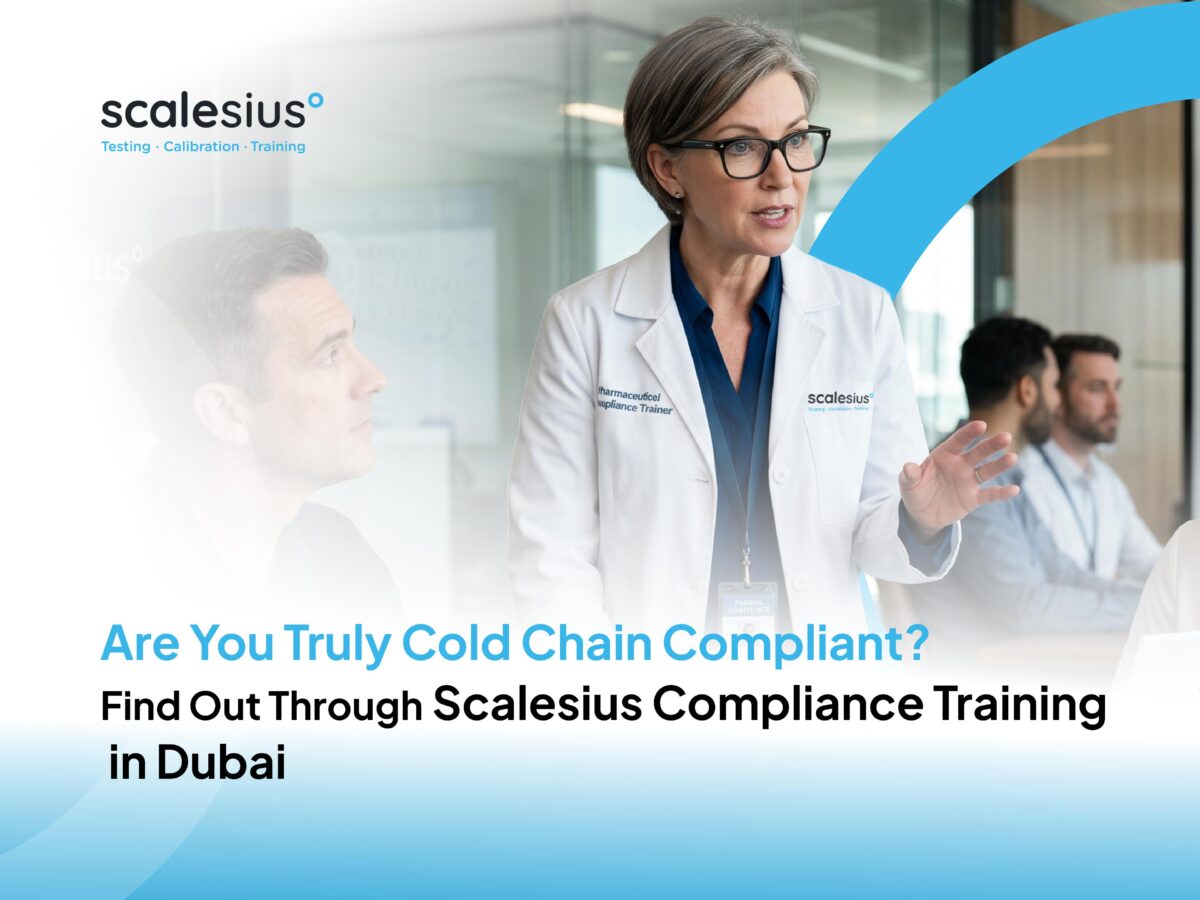
How confident are you about your cold chain's compliance? Even minor lapses in the storage, handling and transportation stages can result in huge financial losses. Discover the common risks businesses tend to ignore and what defines a fully compliant cold chain. You can also explore how Scalesius' compliance training helps cold chain businesses improve product quality and stay audit-ready.
Compliance is important in businesses that deal with temperature sensitive goods. Strict adherence to regulations is necessary when transporting pharmaceuticals, health care products, foods, beverages and other products. Such regulations need to be observed at different levels including storage, handling and transportation phases. Even a small temperature change can compromise product quality. This failure can also create safety concerns and lead to costly losses.
However many organisations don't have enough knowledge about this. They may assume that they are compliant. But they don't fully understand the gaps that may exist in their operations. This is where compliance training becomes relevant. Learning, practical assessments and industry focused guidance help cold chain businesses in many ways. They can assess the risks and improve processes while fostering a culture of quality.
With Scalesius companies will be able to analyse their cold chain procedures and educate their employees on industry best practices.
However many organisations don't have enough knowledge about this. They may assume that they are compliant. But they don't fully understand the gaps that may exist in their operations. This is where compliance training becomes relevant. Learning, practical assessments and industry focused guidance help cold chain businesses in many ways. They can assess the risks and improve processes while fostering a culture of quality.
With Scalesius companies will be able to analyse their cold chain procedures and educate their employees on industry best practices.
What Defines a Fully Compliant Cold Chain Operation?

An ideal cold chain process in Dubai can be defined based on certain factors. It must preserve the quality of products and adhere to the regulations both locally and internationally. Compliance is more than ensuring products are maintained at a certain temperature. It involves a complete system of control, documentation, monitoring and employee awareness.
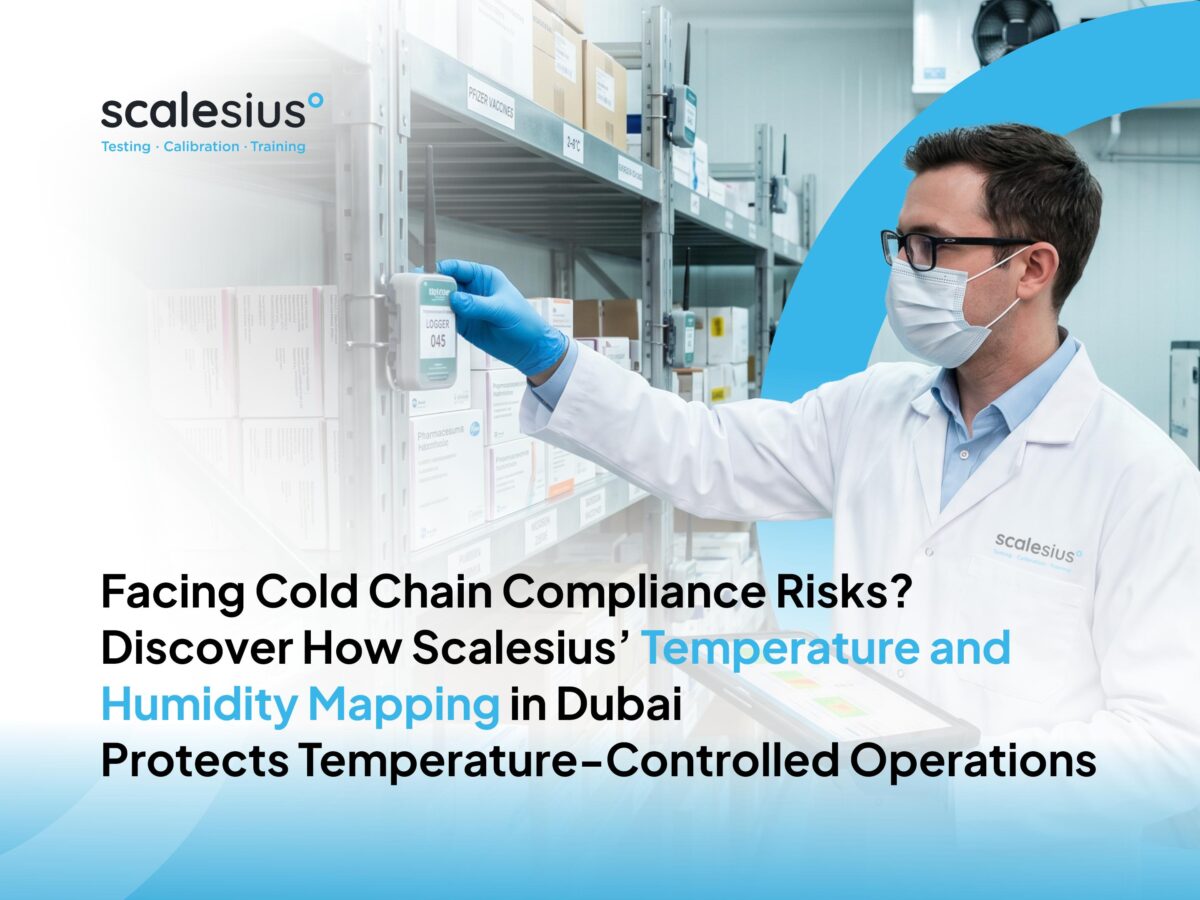
A compliant facility should have validated storage rooms, calibrated monitoring systems, documented procedures and continuous audits. Temperature and humidity mapping is equally essential in order to find differences within storage facilities. If it is done properly it can ensure products remain within acceptable conditions.
Cold chain companies must invest in training and compliance initiatives. This helps your employees to understand their responsibilities. The people handling temperature sensitive products should be familiar with standard operating procedures, risk management practices and quality requirements. Up to 50% of vaccines globally are discarded due to storage outside precise temperature thresholds. ,br>
To strengthen operational excellence organisations can pursue many industry recognised programs. This includes ISO training, ISO 9001 training, ISO 22000 training, GDP training and GDP certification. These sessions help in developing standardised procedures while increasing consistency.
A compliant facility should have validated storage rooms, calibrated monitoring systems, documented procedures and continuous audits. Temperature and humidity mapping is equally essential in order to find differences within storage facilities. If it is done properly it can ensure products remain within acceptable conditions.
Cold chain companies must invest in training and compliance initiatives. This helps your employees to understand their responsibilities. The people handling temperature sensitive products should be familiar with standard operating procedures, risk management practices and quality requirements. Up to 50% of vaccines globally are discarded due to storage outside precise temperature thresholds. ,br>
To strengthen operational excellence organisations can pursue many industry recognised programs. This includes ISO training, ISO 9001 training, ISO 22000 training, GDP training and GDP certification. These sessions help in developing standardised procedures while increasing consistency.
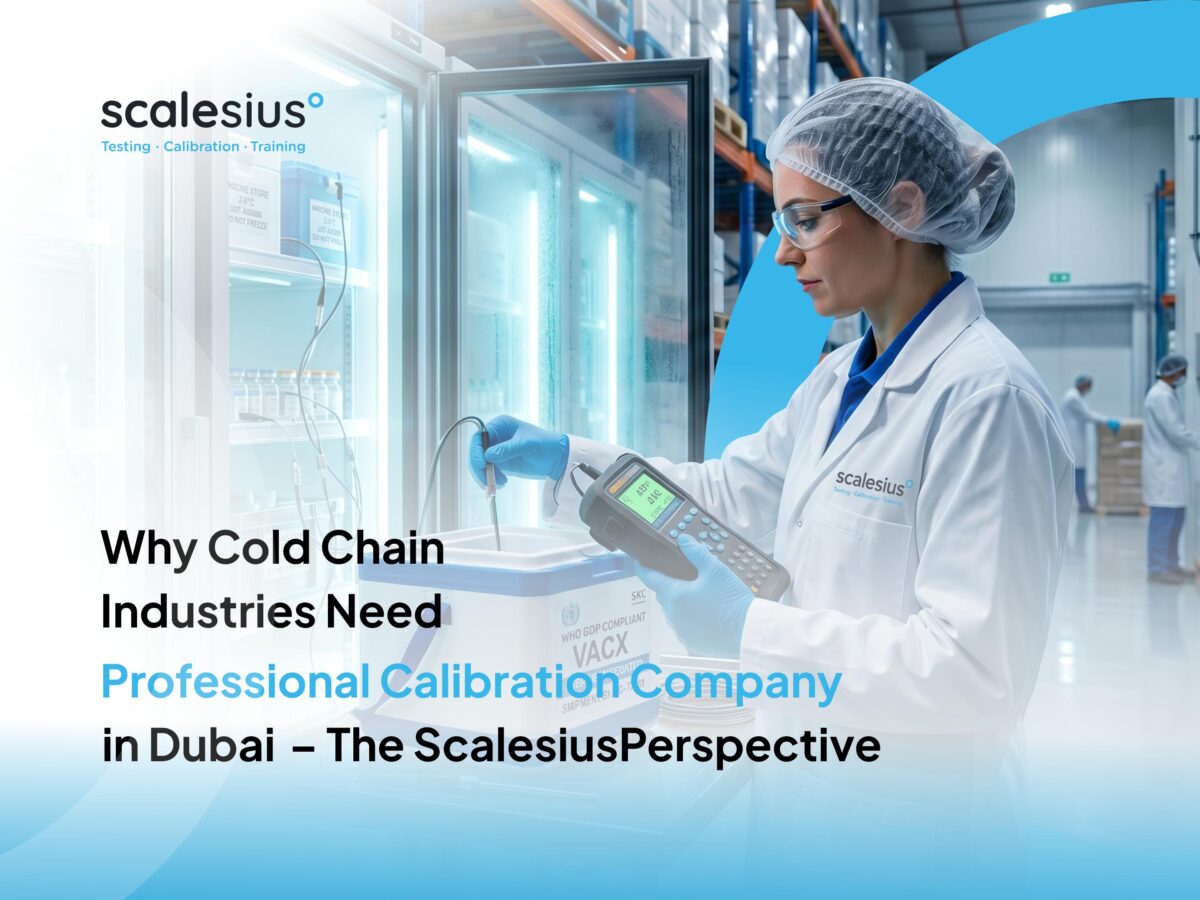
In addition calibration services such as those offered by Scalesius ensure that monitoring equipment gives correct data. This will ensure that the decisions made by companies are effective.
Strengthen your operations with our cold chain compliance training. Contact us at
Assessing Compliance Risks Across Storage, Handling and Transportation
A small compliance gap can create visible risks throughout the cold chain. If you have a compliance training you can find and address such challenges before they affect product quality.
Storage Risks
Storage facilities must always maintain stable environmental conditions. Improper monitoring, poor facility design or lack of routine temperature and humidity mapping can create temperature changes that go unnoticed. 71.4% of vaccine cold chain handlers did not correctly identify the recommended 2°C–8°C storage temperature range. The lack of proper controls may expose products to conditions outside their approved range. This may result in spoilage, reduced effectiveness or regulatory non-conformance. Inaccurate monitoring equipment caused by missed calibration schedules can further increase these risks.
Handling Risks
Another aspect in which failure in compliance can arise relates to product handling. Workers who have insufficient training will lead to issues in this regard since they might expose their goods to inappropriate conditions without realising it. This shows the importance of quality assurance training, regulatory compliance training and HACCP training programs. Well trained team can follow established procedures properly. They can maintain documentation accuracy and respond when deviations occur.
Transportation Risks
Transportation presents its own set of issues since products must go through various stages to reach the final destination. Issues such as delays, machinery malfunction, inadequate packaging and incorrect routes may impact temperature control. Businesses that lack monitoring systems and documented transportation procedures may struggle to ensure compliance during audits. These issues eventually result in product rejection, customer dissatisfaction and increased operational costs.
Storage Risks
Storage facilities must always maintain stable environmental conditions. Improper monitoring, poor facility design or lack of routine temperature and humidity mapping can create temperature changes that go unnoticed. 71.4% of vaccine cold chain handlers did not correctly identify the recommended 2°C–8°C storage temperature range. The lack of proper controls may expose products to conditions outside their approved range. This may result in spoilage, reduced effectiveness or regulatory non-conformance. Inaccurate monitoring equipment caused by missed calibration schedules can further increase these risks.
Handling Risks
Another aspect in which failure in compliance can arise relates to product handling. Workers who have insufficient training will lead to issues in this regard since they might expose their goods to inappropriate conditions without realising it. This shows the importance of quality assurance training, regulatory compliance training and HACCP training programs. Well trained team can follow established procedures properly. They can maintain documentation accuracy and respond when deviations occur.
Transportation Risks
Transportation presents its own set of issues since products must go through various stages to reach the final destination. Issues such as delays, machinery malfunction, inadequate packaging and incorrect routes may impact temperature control. Businesses that lack monitoring systems and documented transportation procedures may struggle to ensure compliance during audits. These issues eventually result in product rejection, customer dissatisfaction and increased operational costs.
Achieving Compliance Excellence Through Scalesius Training Programs
At Scalesius we believe that knowledge is the base of sustainable compliance. Our compliance training programs in Dubai are tailored to help cold chain businesses move from basic awareness. We build practical skills for real world use.
It is our industry specific services that distinguish us from other competitors. Our services involve more than just offering generic training. We focus on developing training programs according to industry requirements.
Our sessions span from calibration training and quality assurance training to compliance workshop programs. These programs are developed to help teams understand the technical and operational aspects of maintaining cold chain compliance.
In addition we have expertise in calibration service solutions and temperature and humidity mapping. This enables participants to gain practical insights into the critical processes that support cold chain performance. Whether your goal is to strengthen quality systems, improve audit readiness or achieve GDP certification our programs help build confidence.
Cold chain compliance is not a one time achievement. It is an ongoing commitment to quality, accuracy and improvement. If you have the right training partner you can identify gaps, strengthen processes and maintain compliance with confidence.
It is our industry specific services that distinguish us from other competitors. Our services involve more than just offering generic training. We focus on developing training programs according to industry requirements.
Our sessions span from calibration training and quality assurance training to compliance workshop programs. These programs are developed to help teams understand the technical and operational aspects of maintaining cold chain compliance.
In addition we have expertise in calibration service solutions and temperature and humidity mapping. This enables participants to gain practical insights into the critical processes that support cold chain performance. Whether your goal is to strengthen quality systems, improve audit readiness or achieve GDP certification our programs help build confidence.
Cold chain compliance is not a one time achievement. It is an ongoing commitment to quality, accuracy and improvement. If you have the right training partner you can identify gaps, strengthen processes and maintain compliance with confidence.
Strengthen your operations with our cold chain compliance training. Contact us at
FAQ
Why is cold chain compliance crucial?
Cold chain compliance is important. This is because it ensures product quality and safety. This can also meet regulatory standards avoiding losses and building customer confidence in the sector.
What are the areas covered by cold chain compliance training?
Areas covered by cold chain compliance training include temperature monitoring, documentation, risk management and regulations. This also involves best practices for product integrity management and handling.
How frequently are temperature mapping and calibration done?
Temperature mapping and calibration should be done according to the regulatory guidelines and organisational requirements. It may vary based on the product and equipment type as well as cold chain regulations.
How will Scalesius support cold chain compliance management?
Scalesius will help cold chain businesses to build their quality systems to be regulatorily compliant. We offer training, compliance workshops, calibration and temperature and humidity mapping.