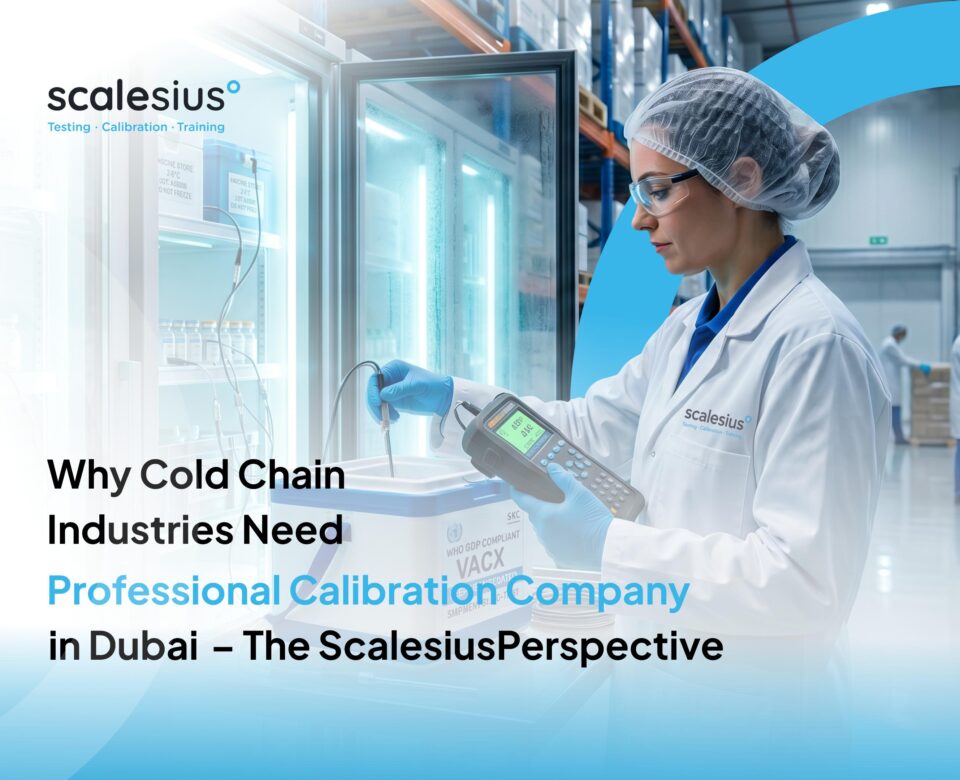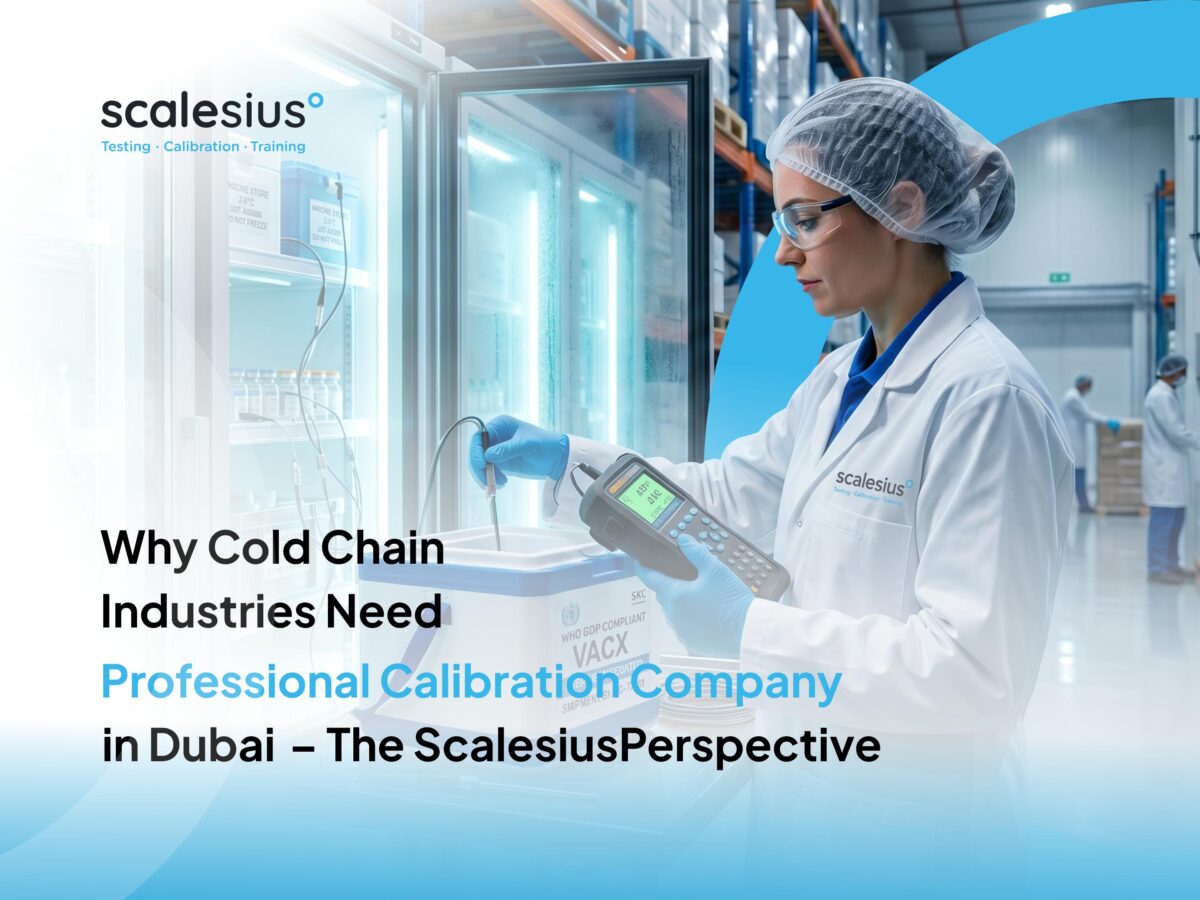



Why Cold Chain Industries Need a Professional Calibration Company in Dubai – The Scalesius Perspective
May 25, 2026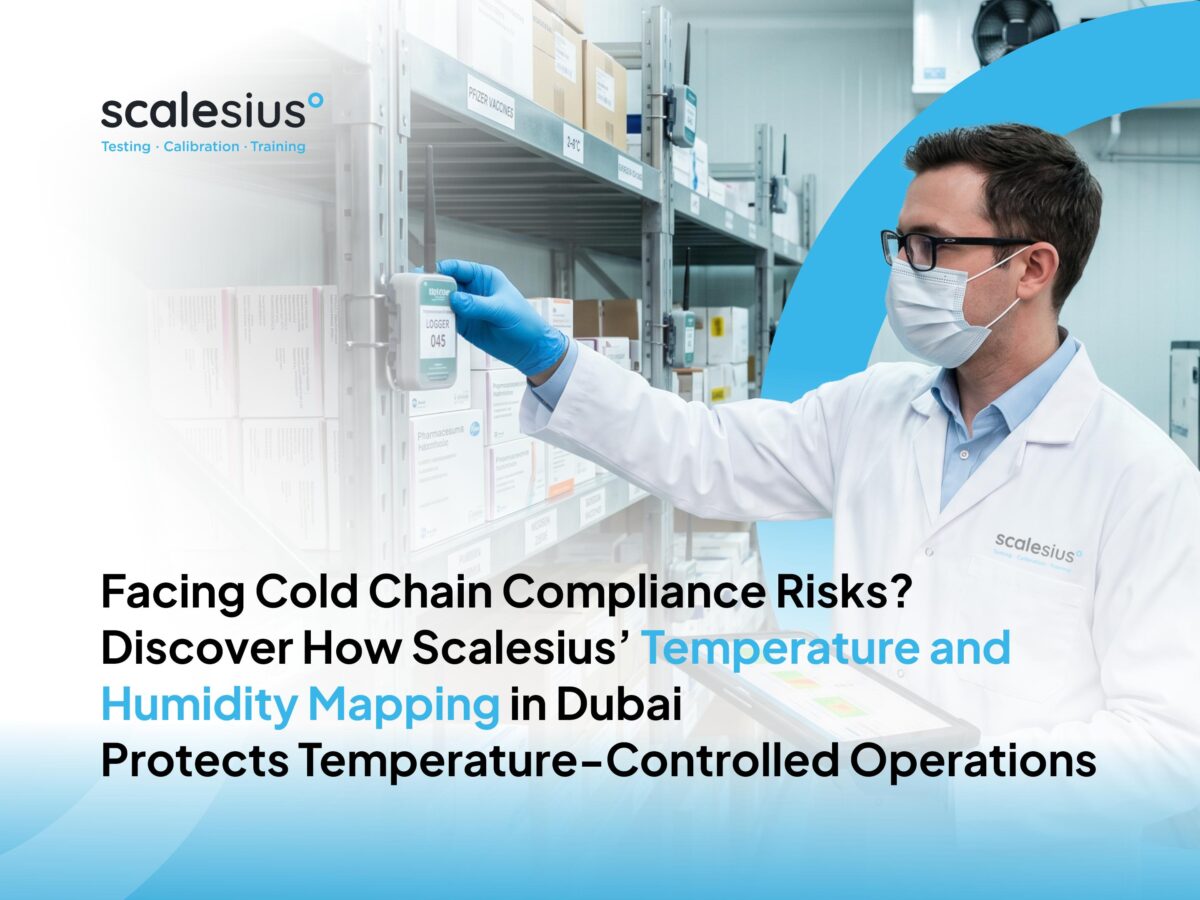
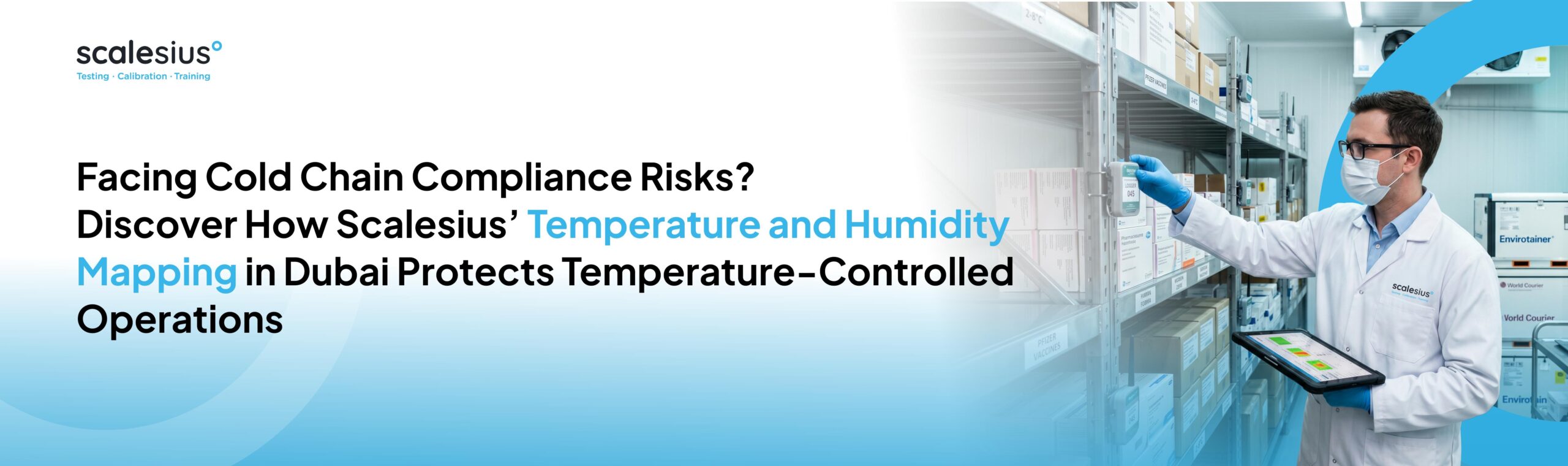
Temperature and Humidity Mapping in Dubai is becoming relevant today. Strict environmental control has become a fundamental requirement for storage of drugs, temperature-sensitive products and related materials. Even a small environmental change can create serious consequences. A few degrees above the recommended range or excessive humidity in a storage zone may lead to visible impacts.
These include product decay, compliance failures, financial loss or even risk to end users. But how can businesses identify such inconsistencies before they become costly issues? More importantly, are standard temperature monitoring systems enough to ensure compliance?
This is where the relevance of temperature and humidity mapping in Dubai becomes inevitable. This process helps organisations to identify temperature variations, called hotspots and humidity fluctuations before they affect operations. It is done by systematically placing calibrated temperature and humidity data loggers across storage facilities, warehouses, freezers and transportation units. It is clear that temperature mapping studies are crucial for detecting weaknesses in cold chain systems. It can also prevent temperature excursions that compromise product quality.
Scalesius is committed to helping businesses strengthen compliance, optimise environmental control and protect sensitive products throughout the cold chain lifecycle.
These include product decay, compliance failures, financial loss or even risk to end users. But how can businesses identify such inconsistencies before they become costly issues? More importantly, are standard temperature monitoring systems enough to ensure compliance?
This is where the relevance of temperature and humidity mapping in Dubai becomes inevitable. This process helps organisations to identify temperature variations, called hotspots and humidity fluctuations before they affect operations. It is done by systematically placing calibrated temperature and humidity data loggers across storage facilities, warehouses, freezers and transportation units. It is clear that temperature mapping studies are crucial for detecting weaknesses in cold chain systems. It can also prevent temperature excursions that compromise product quality.
Scalesius is committed to helping businesses strengthen compliance, optimise environmental control and protect sensitive products throughout the cold chain lifecycle.
The Consequences of Poor Environmental Control in Regulated Industries
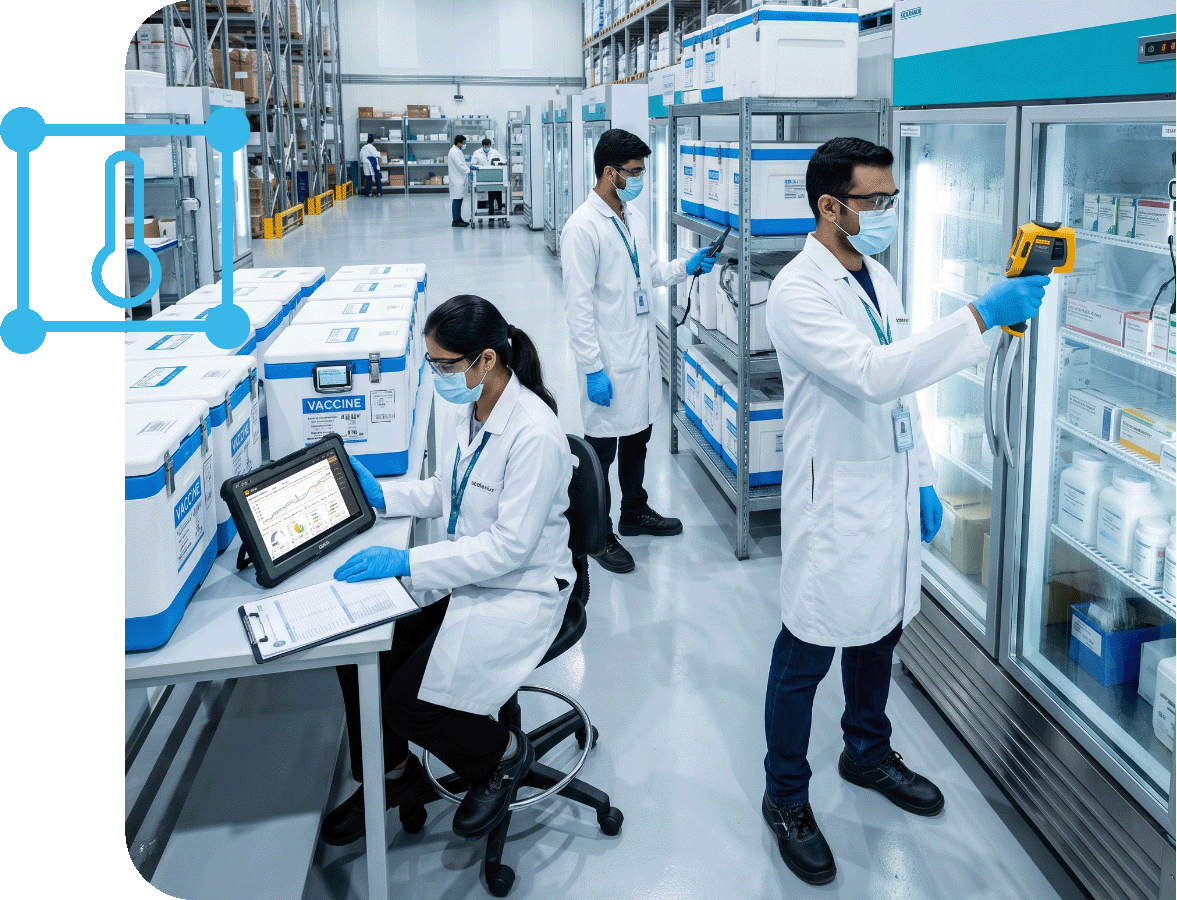
The environmental control breakdown could start with undetected temperature drifts and incorrectly placed temperature sensors. Incorrect readings from sensors and inadequate temperature calibration services are also possible reasons for this problem.
What are the impacts?
Decay of products - Pharmaceuticals, vaccines, biologics and perishable goods require rigid environmental ranges. The tiniest of differences might affect efficiency and spoil the product. According to the World Health Organisation, inappropriate temperatures are one of the factors posing vulnerability to cold chain integrity.
Noncompliance to regulations - GDP and GMP requirements call for the necessity to perform environmental monitoring and validation. Failure to follow the strict requirements leads to audits and penalties.
Economic cost - The failure of the global cold chain results in losses worth $35 billion annually. This is mainly due to spoilage, rejected shipments and operational disruptions.
What are the impacts?
Decay of products - Pharmaceuticals, vaccines, biologics and perishable goods require rigid environmental ranges. The tiniest of differences might affect efficiency and spoil the product. According to the World Health Organisation, inappropriate temperatures are one of the factors posing vulnerability to cold chain integrity.
Noncompliance to regulations - GDP and GMP requirements call for the necessity to perform environmental monitoring and validation. Failure to follow the strict requirements leads to audits and penalties.
Economic cost - The failure of the global cold chain results in losses worth $35 billion annually. This is mainly due to spoilage, rejected shipments and operational disruptions.
Research indicates that temperature fluctuations may account for 42% of cold storage losses. This makes it one of the easiest operational failures to prevent. Findings like this highlight the importance of dependence on validation instead of just temperature logger. Therefore, proactive environmental assessment through thermal mapping, temperature calibration and equipment calibration services has become important.
Temperature and Humidity Mapping as a Preventive Measure for Operational Risks
Preventing risk requires understanding how environmental conditions behave within real operational settings. Scalesius has a solution to this problem through temperature and humidity mapping in Dubai facilities. We use standardised procedures and calibrated instruments in all our operations.
Defining Environmental Requirements
Limits for acceptable temperatures and humidity are determined by product type, regulation and operation. Refrigeration functions within a range of 2 to 8 degrees Celsius whereas frozen products need a narrower range. WHO also emphasises monitoring humidity to protect moisture sensitive products.
Strategic Placement of Calibrated Sensors
Scalesius has temperature and humidity data logging devices , thermal data logging devices and temperature data logger systems in various storage areas. The sensors are installed close to the doorways, ventilation systems, corners, high traffic areas and air pathways.
Continuous Data Collection and Monitoring
We make use of temperature monitoring system, warehouse temperature monitoring devices and freezer temperature monitoring tools. With such equipment environmental readings are captured. This process can identify operational variations.
Analysing and Identifying Risk Zones
The data collected by the temperature and humidity logger is analysed to detect hot spots, airflow gaps and HVAC performance issues.
Reporting and Revalidation
Scalesius gives its recommendations and reports accordingly. Remapping occurs when there are alterations in the facilities, equipment, seasonal change or after maintenance.
Defining Environmental Requirements
Limits for acceptable temperatures and humidity are determined by product type, regulation and operation. Refrigeration functions within a range of 2 to 8 degrees Celsius whereas frozen products need a narrower range. WHO also emphasises monitoring humidity to protect moisture sensitive products.
Strategic Placement of Calibrated Sensors
Scalesius has temperature and humidity data logging devices , thermal data logging devices and temperature data logger systems in various storage areas. The sensors are installed close to the doorways, ventilation systems, corners, high traffic areas and air pathways.
Continuous Data Collection and Monitoring
We make use of temperature monitoring system, warehouse temperature monitoring devices and freezer temperature monitoring tools. With such equipment environmental readings are captured. This process can identify operational variations.
Analysing and Identifying Risk Zones
The data collected by the temperature and humidity logger is analysed to detect hot spots, airflow gaps and HVAC performance issues.
Reporting and Revalidation
Scalesius gives its recommendations and reports accordingly. Remapping occurs when there are alterations in the facilities, equipment, seasonal change or after maintenance.
Key Benefits of Choosing Scalesius for Accurate Mapping Services
Choosing a partner for cold chain temperature and humidity mapping in Dubai requires more than just data collection expertise. Scalesius combines validated methodologies, advanced data loggers and temperature calibration services to support cold chain operational reliability.
Better compliance with GDP, GMP and industry regulations .
Better product safety and quality assurance.
Elimination of any disruptions in the system and avoidable costs.
Documentation that would be helpful during an audit or inspection.
Optimum positioning of temperature measurement systems and temperature humidity logger.
Environmental risks are identified at an early stage before product loss happens.
After all, this is not only about meeting standards. It is about protecting products, preserving trust and sustaining business continuity. With Scalesius’ specialised mapping solutions, businesses can move beyond reactive monitoring toward stronger cold chain resilience, compliance and confidence.
Get expert temperature and humidity mapping in Dubai with Scalesius today.
Contact us at +971 4272 1561 or hello@scalesius.com.